Dunellen General Contractor Offering Complete Construction Solutions
Dunellen General Contractor Offering Complete Construction Solutions
Blog Article
Why Choosing the Right General Contractor Is Crucial for Your Project
Picking the right general contractor is a key decision that can substantially affect a project's success. A appropriate contractor provides streamlined coordination and conformance to budgets. Their skill to overcome difficulties and sustain clear communication is critical. However, many project parties disregard vital aspects in this choosing stage. Understanding these points can lead in better outcomes and increased satisfaction. What should one consider when taking this major choice?
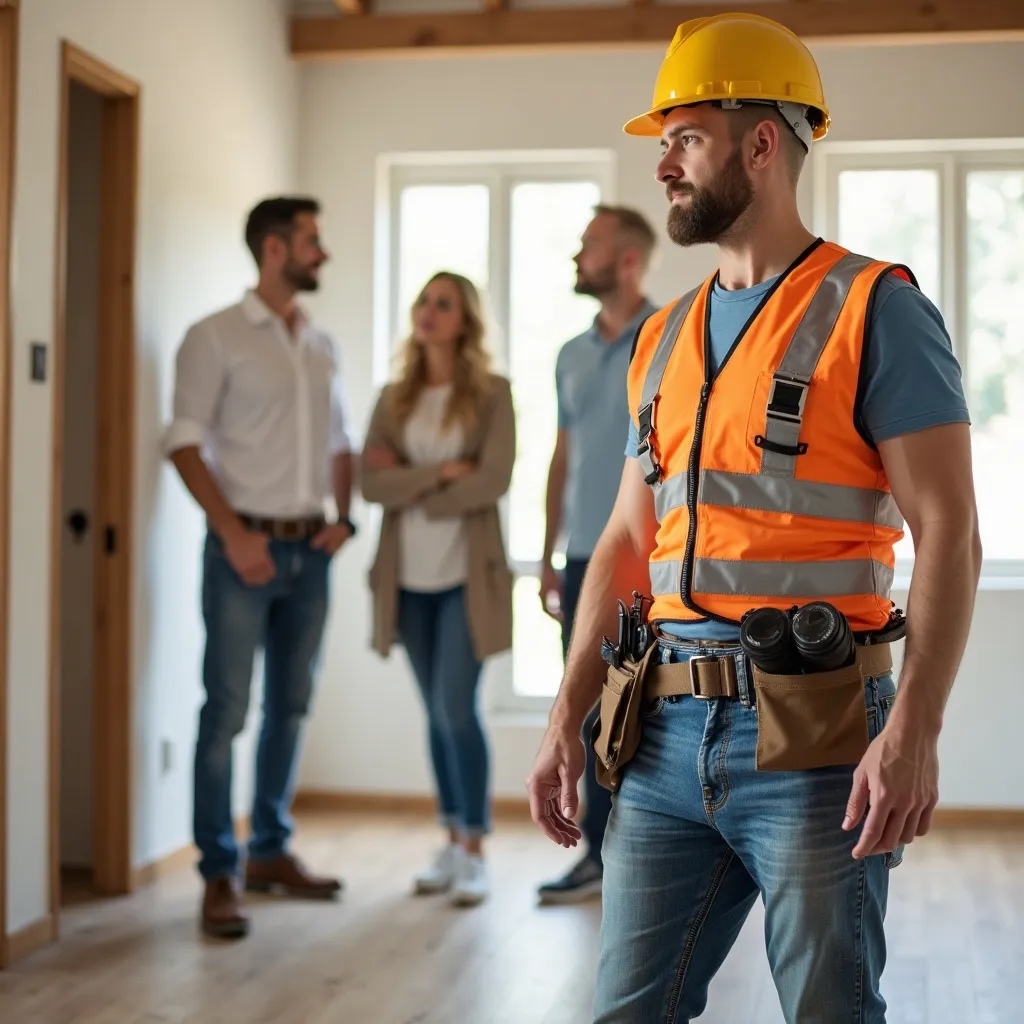
Typical Issues in Hiring a General Builder
When selecting a building contractor, potential clients often face numerous typical challenges that can complicate the decision-making process. One major obstacle is the overwhelming number of choices on offer, which can result in uncertainty and hesitation. Customers may find it hard to differentiate between contractors based on credentials, background, and cost, making it difficult to identify who will best satisfy their project needs.
Another difficulty is the lack of transparency in contractor proposals, where concealed expenses may emerge later, impacting the project budget. Additionally, clients may face issues related to interaction; some contractors may fail to keep clients informed throughout the procedure, creating dissatisfaction. In conclusion, clients often grapple with confirming a contractor's references and previous projects, which can result in doubt about the level of service quality anticipated. These obstacles require thorough deliberation and research to ensure the correct decision is selected.
Essential Nature of a Credible General Contractor
A reliable general contractor plays an essential role in guaranteeing project management productivity and maintaining quality assurance guidelines. Their expertise helps optimize processes, minimizing delays and costs. Additionally, a dependable contractor upholds high standards, resulting in superior craftsmanship and client satisfaction.
Enhance Task Management Efficiency
Effective project management rests on the reliability of a general contractor. A dependable contractor ensures that timelines are met, resources are allocated properly, and communication flows seamlessly among all stakeholders. Their competence in managing subcontractors, suppliers, and laborers directly impacts the progress and overall success of the project. A dependable contractor foresees challenges, applies solutions quickly, and remains focused on project goals, minimizing holdups and budget overruns. This effectiveness encourages a collaborative environment, allowing for adjustments and improvements where necessary. Ultimately, the general contractor's trustworthiness boosts both the operational aspects of the project and the confidence among clients and team members, ensuring everyone works together towards a positive result.
Quality Assurance Standards
Dependable builders serve a pivotal role in ensuring quality control during the entire project. They make sure that every task meets established guidelines and industry best practices, which is crucial to the durability and safety of the structure. A competent contractor exercises strict oversight over materials and workmanship, conducting regular inspections to find and resolve problems quickly. This proactive approach reduces risks linked to inferior construction, in turn protecting the investment. Furthermore, a reliable contractor encourages communication among all stakeholders, guaranteeing clear and fulfilled expectations. By focusing on quality assurance, a skilled general contractor not only improves the end product but also gains trust with clients, laying the groundwork for successful project results.
Examining a Contractor's Experience and Credibility
When evaluating a general contractor, understanding their track record and standing is vital, as these factors greatly influence project results. A contractor's experience generally demonstrates their ability to handle various project types, complexities, and challenges. Examining their portfolio provides understanding into past projects, showcasing craftsmanship and meticulous attention to detail.
Moreover, reputation plays a critical role in developing trust. Prospective clients should look for online reviews, testimonials, and references to determine satisfaction levels from previous clients. Speaking with past customers can demonstrate the contractor's reliability, communication skills, and adherence to timelines and budgets.
Furthermore, sector associations and certifications can bolster a contractor's credibility, indicating a commitment to superior standards and responsible practices. By thoroughly evaluating both experience and reputation, clients can make informed decisions, ultimately setting the stage for a victorious construction project.
Vital Characteristics of a Reliable Contractor
A dependable contractor regularly exhibits integrity, openness, and strong interpersonal abilities. These vital traits form the foundation of a successful working relationship. Integrity ensures the contractor adheres to ethical practices, providing honest evaluations and practical timelines. Openness involves fully disclosing assignment information, including expenses and potential challenges, fostering trust between the contractor and the client.
Robust interpersonal skills allow the contractor to effectively convey ideas, understand client requirements, and quickly resolve any issues that occur during the project. Furthermore, a reliable contractor demonstrates adaptability, reacting to changes and unforeseen circumstances with flexibility and poise. Attention to detail is an additional key trait; it shows a commitment to excellence and precision in every aspect of the work. In the end, these qualities not only enhance project outcomes but also contribute to a positive experience for clients, making the selection of a reliable contractor all the more critical.
Critical Questions to Ask When Hiring Your General Contractor?
What method can a person use to guarantee they select the right general contractor for their project? By posing a series of specific questions, potential clients can better evaluate candidates. Initially, inquiring about the contractor's experience with comparable assignments provides insight into their expertise. It's also essential to ask for references; conversing with previous clients can reveal the contractor's dependability and standard of work.
Subsequently, evaluating licensing and insurance ensures that the contractor fulfills legal requirements and protects the client from unforeseen liabilities. Clients ought to also request information about timelines and project management methods to determine how the contractor will manage the project productively.
Budget meetings are vital; requesting a thorough estimate prevents surprise costs later. Finally, grasping the contractor's communication style preferences can set the groundwork for a productive working relationship. By addressing these important inquiries, clients can choose wisely in choosing their general contractor.
Open Discussion Is Critical With Your Contractor
Effective interaction with a contractor is important for assignment success. Creating clear expectations and offering regular updates can prevent miscommunications that often lead to costly setbacks. Additionally, cultivating an open dialogue establishes trust, ensuring a improved working relationship throughout the construction process.
Clear Requirements Establish Achievement
Creating explicit expectations is vital for a effective partnership matching information with a general contractor. Strong communication lays the groundwork for understanding the objectives, schedules, and budget limitations of the project. When both parties voice their needs and concerns, it lowers the risk of misunderstandings that could obstruct progress. A contractor who is aware of the specific requirements can manage resources properly and address potential challenges in advance. Moreover, clarity in expectations fosters accountability, guaranteeing that the contractor keeps promises and that the homeowner remains involved throughout the process. By emphasizing open dialogue from the beginning, clients can improve collaboration and satisfaction, ultimately leading to a smoother project completion. Clear expectations not only optimize workflows but also build trust between the homeowner and the contractor.
Quick Communications Stop Misunderstandings
Clear expectations set the stage for productive teamwork, but continuous dialogue is equally vital. Prompt notifications from a general contractor can avoid misunderstandings that may arise during a project. When builders consistently share progress reports, clients remain informed about schedules, budget changes, and possible obstacles. This proactive communication serves to synchronize both parties' expectations and minimizes the likelihood of disputes later on. Additionally, when issues arise, swift notification enables faster resolutions, guaranteeing the project remains on track. By fostering a culture of open discourse, contractors show their commitment to the project's success, ultimately leading to a smoother process and greater client contentment. Therefore, prompt communications serve as a cornerstone for maintaining clarity and trust throughout the building process.
Open Conversation Creates Trust
As a endeavor progresses, maintaining an open dialogue with the primary contractor becomes paramount for fostering belief and joint effort. Effective communication confirms that all parties have a clear understanding of expectations, timelines, and potential challenges. When contractors and customers maintain frequent talks, it allows for the identification of issues before they grow worse, reducing disruptions. This candor not only develops confidence but also enhances the overall project experience. Additionally, an open line of communication encourages feedback, equipping the construction leader to make adjustments that conform to the client's expectations. In conclusion, strong communication grounds a foundation of shared esteem, which is key for the successful completion of any construction project. Trust fostered through exchange leads to superior performance for everyone involved.
Commonly Requested Questions
How can I verify if a Contractor possesses a License?
To determine if a contractor is licensed, one should inspect local licensing boards or websites, validate their license number, and confirm it's active. Additionally, perusing internet feedback can furnish understanding of their integrity and dependability.
What Insurance Must My Construction Professional Possess?
A contractor must have broad coverage protection, workers' compensation, and, if relevant, errors and omissions coverage. These cover possible harm, workplace injuries, and mistakes in craftsmanship, guaranteeing monetary safeguards for both the contractor and the customer.
What's the Best Way to Review a Contractor's Track Record?
To confirm a contractor's references, one should demand a list of past patrons, connect with them directly, and ask about their experiences. Furthermore, investigating internet ratings and feedback can present valuable insights into the contractor's reliability.
What Can I Do if Problems Arise During the Undertaking?
If problems emerge during the project, one should record the issues, communicate directly with the contractor, and find a solution. If needed, involving a third party or consulting a legal professional may also be fitting.
What Alert Signs Should You Observe During the Hiring Process?
Caution signs throughout the hiring process include vague estimates, lack of references, poor communication, inadequate licenses, and adverse online reviews. These markers intimate conceivable complications that could alter the project's quality and timeline.
Report this page