Powell River Top General Contractor for Quality Construction Services
Powell River Top General Contractor for Quality Construction Services
Blog Article
General Contractor: Your Dependable Contractor for Home Tasks
A general contractor fulfills an crucial role in residential construction. They oversee different elements of building work, ensuring that everything runs smoothly. Their knowledge in building codes and standards allows them to handle the complexities of permits and assessments. This professional serves as a vital link between clients and specialized tradespeople. However, many homeowners stay uncertain about the complete range of their offerings. Understanding these specifics can greatly impact the success of any remodeling project.
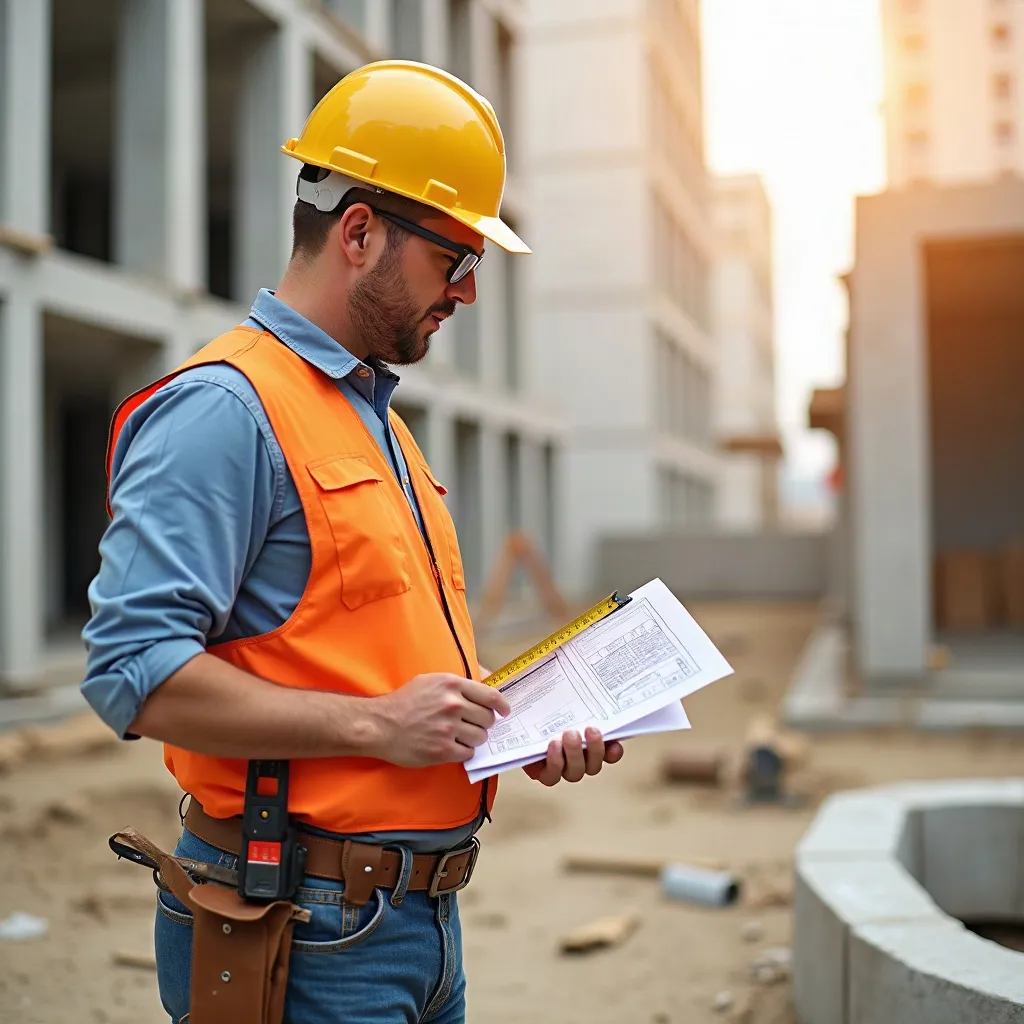
Which Tasks Do a General Contractor Handle?
A general contractor directs the various elements of a building project, making certain that operations proceed without interruption from initiation to completion. They act as the primary point of contact, managing communication between clients, subcontractors, and material providers. This responsibility involves structuring the project timeline, supervising labor, and ensuring compliance with area construction rules and regulations.
General contractors are responsible for acquiring required licenses and arranging inspections, which are vital for maintaining safety and quality standards. They also handle budget planning, material procurement, and overseeing site operations to prevent any possible setbacks or complications. In addition, they supervise subcontractors, ensuring that each phase of construction aligns with project specifications and timelines. Overall, a general contractor's expertise and organizational skills are crucial for delivering a successful construction project, turning a client's vision into reality while managing multiple duties and obligations.
Benefits of Contracting a General Contractor for Home Improvements
Hiring a professional builder for residential remodeling offers numerous advantages that can significantly improve the efficiency and quality of the project. Professional contractors possess knowledge in managing projects, ensuring that timelines are met and resources are allocated effectively. Their established relationships with specialized tradespeople can result in better pricing and excellent craftsmanship, which eventually helps property owners both time and money.
Additionally, general contractors manage the detailed aspects of permits and inspections, minimizing likely regulatory complications. They also provide a centralized coordinator, simplifying exchanges and synchronization among various trades. This streamlining reduces the risk of misunderstandings and delays.
Furthermore, their experience enables them to foresee possible issues, facilitating preventative measures to maintain the project on track. By hiring a general contractor, homeowners can concentrate on their vision while experiencing peace of mind, knowing that a professional is overseeing every aspect of the renovation.
Dispelling False Beliefs Surrounding Builders
While numerous homeowners may believe false notions about general contractors, understanding the realities can result in more informed decisions. One common myth is that hiring a contractor is not required for small projects; nevertheless, their know-how can facilitate even minor renovations, guaranteeing observance with local codes. Another common belief is that general contractors are merely middlemen, but they frequently have extensive knowledge in various trades, enabling them to coordinate projects competently. Additionally, access resource some clients believe that working with a contractor will significantly inflate costs. In fact, a skilled general contractor can often negotiate better pricing for materials and labor due to established relationships with suppliers and subcontractors. Lastly, many consider that contractors are unyielding, but dependable contractors value client communication and collaborate closely to address specific needs. Resolved myths can empower homeowners to capitalize on the genuine value of contractors in achieving productive home projects.
How to Pick the Right General Contractor?
How can property owners ensure they select the ideal general contractor for their assignments? The procedure starts with thorough research. Homeowners should obtain recommendations from friends, family, or online reviews to find qualified contractors. Once a compilation is created, verifying credentials, such as licensing, bonding, and insurance, is essential to verify credibility.
Next, property owners should request and review samples of prior projects, focusing on projects similar in scope. Setting up interviews allows homeowners to gauge compatibility, discussing deadlines, finances, and goals. It's also advisable to gather multiple bids for contrast, delivering a transparent view of pricing.
Assessing references offers understanding of a contractor's competence and integrity. Ultimately, trusting one's instincts is important; an opening discussion can reveal much about a contractor's way of communicating and methodology. By adhering to these guidelines, homeowners can significantly boost their chances of selecting a general contractor who aligns with their project needs and vision.
Powerful Communication Tactics For Working Alongside Your General Contractor
How might homeowners apply techniques to guarantee proper interaction with their general contractor? Setting up open dialogue from the commencement is necessary. Homeowners must plainly communicate their expectations, project objectives, and spending restrictions during opening conversations. Regular updates can be facilitated through scheduled meetings, confirming that both parties stay in sync throughout the project.
Using documented records, such as email correspondence and project documentation, helps strengthen verbal agreements and minimizes confusion. Homeowners should also promote open dialogue by inviting feedback and questions from the contractor, fostering a collaborative environment.
Furthermore, taking advantage of tech solutions, including project management apps, can facilitate team dialogue by creating a single location for conveying updates, timelines, and changes. Finally, maintaining politeness and approachability can strengthen mutual understanding, making it easier for the contractor to discuss challenges or suggestions in a meaningful way. By putting into practice these strategies, homeowners can establish a fruitful and honest relationship with their general contractor.
What to Expect When Your Initiative Begins?
When the project gets underway, homeowners should prepare for a wave of activity on-site. The construction manager will oversee groups of qualified craftspeople, including electricians, plumbers, and carpenters, who will commence their work based on the agreed-upon schedule. Homeowners may observe large equipment and supplies being delivered, creating a active setting.
Remaining in communication is essential during this period. The contractor will deliver information on progress made and resolve any concerns that surface. Homeowners should be prepared for likely disturbances, such as loud sounds and limited access to certain areas of the home.
Safety protocols will be in place to protect both workers and residents, ensuring a secure setting. Additionally, homeowners may be encouraged to maintain flexibility, as unexpected problems can arise, requiring adjustments to the original plan. Overall, this initial phase sets the stage for the successful completion of the project, and active participation is essential.
Essential Inquiries for Your General Contractor Agreement?
Selecting the proper inquiries to raise when executing a general contractor agreement is vital for ensuring a problem-free project. Homeowners should inquire about the contractor's permit and insurance to verify their credentials and protection against liabilities. Understanding the project schedule and milestones is significant; therefore, asking about anticipated completion dates helps manage expectations.
It is also necessary to communicate payment terms, such as down payments and payment plans, to forestall misunderstandings. Homeowners should secure a detailed breakdown of costs, featuring materials and skilled work, to assure transparency. Concurrently, deliberating on the system for handling alterations or surprise difficulties can avert disagreements subsequently.
Finally, property owners should gather details about subcontractors and their credentials, as well as the communication plan of the contractor throughout the project. By examining these matters, property owners can build a productive relationship with their general contractor, ultimately producing a successful home project.
Frequently Requested Questions
In What Manner Do General Contractors Charge for Their Work?
General contractors commonly bill via set fees, hourly rates, or a cut of the total project price. Their pricing may further encompass supplies needed, human resources, and indirect costs, determined by the level of complexity and project scope.
Can a General Contractor Give Assistance With Requirements and Inspections?
Yes, a general contractor can aid in securing permits and conducting inspections oversight. They typically work through local codes and ensure compliance, streamlining the process for homeowners while providing necessary approvals throughout the construction project.
What Qualifications Should I Locate in a General Contractor?
When selecting a general contractor, one should consider qualifications such as proper licensing, insurance, experience in relevant projects, solid recommendations, and effective communication skills, guaranteeing they possess the necessary expertise to oversee the project successfully.
How Long Does a Common Home Restoration Project Need?
A ordinary home renovation project can last anywhere from a few weeks to several months, reliant on the scope, difficulty, and size of the project, as well as the availability of materials and labor.
What Happens if My Undertaking Exceeds Financial Limits?
If a project exceeds the budget, the contractor typically discusses the causes and alternatives with the property owner. Adjustments may include scaling back, obtaining more funds, or revising the project scope to align with financial limits.
Report this page